

Energy prices have placed immense strain on households and community organisations across the UK. While national debates often focus on large-scale renewable infrastructure, there is a quieter, overlooked opportunity sitting much closer to home: small wind turbines. Reforming planning restrictions for these systems could empower communities, lower energy costs for vulnerable groups, and accelerate the transition to clean power from the ground up.
The Untapped Potential of Small Wind Turbines
Small wind turbines—typically installed on homes, farms, schools, or community buildings—can generate electricity locally where it is used. In many parts of the UK, particularly rural and coastal regions with consistent wind resources, these systems can make a meaningful contribution to household and community energy supply.
Yet despite strong wind resources, uptake of small wind technology remains extremely limited. The barrier is not just cost or technology. It is planning regulation.
Planning Rules That Hold Communities Back
Current planning frameworks often treat small wind turbines in a similar way to larger commercial installations. Applicants may face complex planning processes, visual impact assessments, and objections that make small projects time-consuming and expensive to approve.
For community organisations, housing associations, and low-income households—precisely the groups that could benefit most from lower energy costs—these barriers can be insurmountable.
In many cases, installing solar panels is far easier because they benefit from clearer permitted development rights. Small wind turbines, however, are still frequently subject to restrictive conditions related to height, distance from boundaries, and noise assessments, even for modest installations.
Energy Justice at the Local Level
Planning reform should not simply be about speeding up infrastructure projects; it should also be about energy fairness.
Communities facing fuel poverty often lack the capital to invest in large energy systems or the influence to shape national energy policy. What they can do, however, is harness local resources—wind, sun, and shared infrastructure.
Community-scale wind turbines installed on:
- village halls
- schools
- farms
- housing association land
- industrial estates
could generate local electricity that reduces operating costs and keeps energy spending within the community.
For organisations such as food banks, community centres, and social housing providers, lower electricity costs translate directly into greater support for people who need it most.
What Reform Could Look Like
Reforming planning restrictions does not mean removing oversight entirely. Instead, it means creating a proportionate system that recognises the difference between community-scale turbines and large wind farms.
Practical reforms could include:
- Expanded Permitted Development Rights
Allow small turbines below a certain height and capacity to be installed without full planning permission in appropriate locations. - Clear National Guidance
Establish consistent standards on noise, height, and setback distances so local authorities apply rules more predictably. - Community Energy Priority
Provide streamlined planning pathways for projects owned by communities, charities, or housing associations. - Pilot Zones in Rural Areas
Trial simplified approval processes in areas with high wind potential and high fuel poverty.
Learning From Community Energy Success
Across Europe, community-owned renewable energy projects are already demonstrating what is possible. Local ownership models not only generate electricity but also create revenue streams that support public services, community grants, and local development.
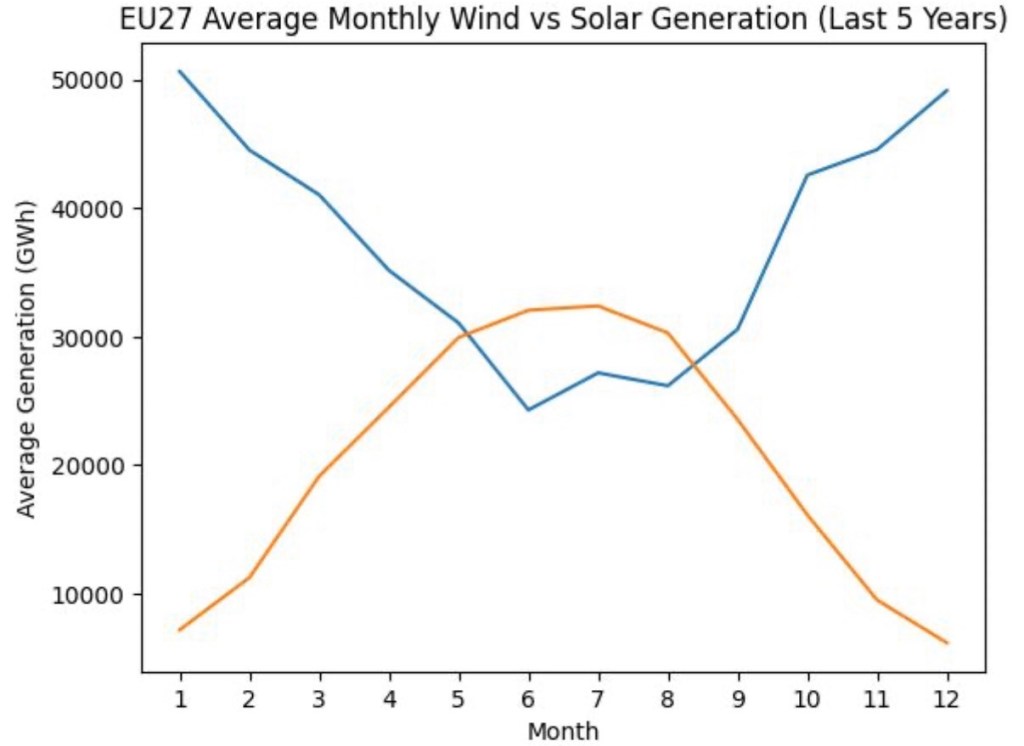
The UK has begun to embrace community solar projects, but small wind could play a similar role—especially in regions where winter solar generation is limited but wind is abundant.
A Practical Step in the Cost-of-Living Crisis
Reforming planning restrictions on small wind turbines will not solve the energy crisis on its own. But it is a practical, achievable step that could deliver real benefits quickly.
At a time when households are struggling with rising bills and communities are searching for ways to build resilience, empowering local renewable energy generation makes both economic and environmental sense.
Energy reform should not only happen in Westminster or in offshore wind auctions. It should also happen in villages, towns, and neighbourhoods—where communities are ready to take control of their energy future.
Small wind turbines will not dominate the skyline. But with the right planning framework, they could quietly transform how communities power themselves.
 Blog
Blog 
Leave a comment