
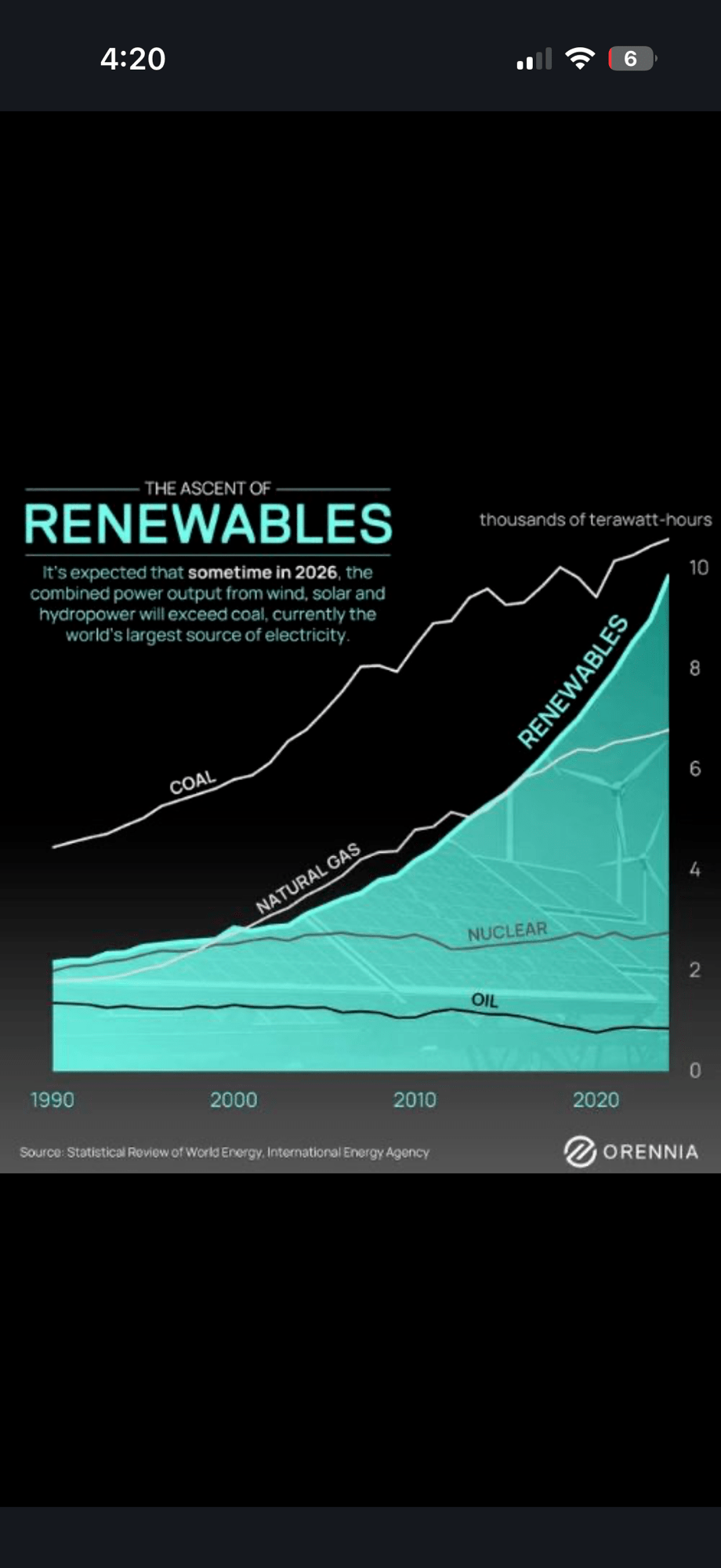
The UK is still in the grip of an energy affordability crisis, and the people hit hardest are usually those with the least control over their homes: renters and social housing tenants. While homeowners are increasingly offered grants and loans for solar, batteries and heat pumps, millions of households in flats, rented terraces and tower blocks are effectively locked out of the green tech revolution.
At the same time, our weather and our housing stock demand a smarter approach than “solar alone”. Solar panels are excellent in the UK, but on dark winter evenings and long cloudy spells their output drops sharply, just when demand (and prices) are highest. Pairing small wind turbines with battery storage – and now, excitingly, simple balcony plug‑in solar options – can change that equation and make clean energy far more accessible and resilient for the people who need it most.
Balcony plug‑in solar: a new door opens for renters
For years, renters have faced a simple barrier: no roof, no solar. Balcony plug‑in solar begins to break that rule. These compact panels can sit on a balcony, railing or small terrace and plug directly into a dedicated socket, allowing tenants to generate a slice of their own electricity without major building works or roof access.
Germany has shown what’s possible here. Its “balcony power plant” (Balkonkraftwerk) movement has normalised small plug‑in solar systems for flats, with simplified rules and streamlined approval in many regions. By looking closely at that model, the UK can explore how to safely enable renters to install their own small systems – standardised plugs, clear safety guidance, and tariff arrangements that make sense at household scale.
For UK renters in high‑rise or dense urban areas, balcony plug‑in solar could be the first genuinely practical way to cut bills and emissions personally, rather than waiting for a landlord’s long‑term plan.
Solar is powerful – but not enough on its own
Solar is a key part of the solution. Modern systems still generate useful power on cloudy days, but in winter and during heavy overcast conditions, output falls just when we need energy most. Batteries help by shifting solar power from midday to the evening peaks, and social housing pilots have already shown big bill savings when solar and storage are combined.
However, a battery can only store what you manage to generate. If the weather stays dull for days, you are essentially stretching a small pot of solar rather than refilling it. For social housing estates and rural communities in particular, relying only on solar can leave households exposed during long spells of low light, especially in winter. This is where small wind turbines become vital.
How small wind turbines plus batteries make solar more resilient
Wind and sun complement each other in the UK climate. Wind output often peaks in autumn and winter and during stormy, overcast weather, when solar is weakest. By integrating small wind turbines with batteries and solar (from rooftops, shared spaces, or even balcony plug‑in systems), you create a more resilient, year‑round energy package:
- When it’s sunny: Solar – including balcony panels – does the heavy lifting and charges the battery; the wind turbine adds extra generation when winds pick up.
- When it’s cloudy but breezy: Reduced solar is backed up by wind from the turbine, smoothing dips in output and keeping batteries usefully charged.
- When it’s dark and stormy: Solar does nothing, but the wind turbine can keep generating through the night, allowing the battery to supply homes during peak evening demand.
For social housing and community projects, this mix makes the business case stronger. Instead of banking on one technology and one kind of weather, you get a more stable local “micro‑grid” serving real people with real bills.
Learning from the Netherlands and Germany
Other European countries are already pointing the way on the technologies the UK needs to embrace.
- The Netherlands is pushing innovation in small and mid‑scale wind turbines, including more flexible approaches to local generation and integrated planning. Their experience with fitting turbines into a dense, infrastructure‑rich landscape can inform how we bring modern, quieter, better‑designed small wind turbines into and around UK estates and rural communities.
- Germany has built a mass market for plug‑in balcony solar, backed by clearer standards and a strong public narrative around household‑level energy sovereignty. By adapting that model to UK wiring standards, safety rules and tariffs, we can unlock balcony solar for millions of renters who currently have no route into green generation.
Together, these examples show that what often looks “too difficult” in the UK has already been made normal somewhere else. The opportunity is not just to copy, but to innovate: combining Dutch‑style small wind turbines, German‑style balcony plug‑in solar and UK‑led work on batteries and smart grids into practical solutions for our own housing stock.
A fair transition: from owner‑only to everyone
If we want a genuinely fair energy transition, renters and social housing residents must be at the front of the queue, not the back. That means:
- Explicitly supporting estate‑scale solar‑wind‑battery projects, so social landlords can cut bills and emissions for whole communities, not just trial one‑off pilots.
- Enabling safe, standardised balcony plug‑in solar for renters, with clear guidance for landlords and building managers.
- Reforming planning and certification so that modern small wind turbines – especially on or near social housing estates and community land – can be deployed where it makes sense, rather than being blocked by outdated rules.
- Encouraging UK manufacturers, installers and social enterprises to innovate around this combined package: small wind turbines, balcony solar and batteries designed specifically for UK flats, estates and rural schemes.
Small wind turbines, battery storage and balcony plug‑in solar are not silver bullets on their own. But together, they can turn “locked‑out” renters and social housing tenants into active participants in the energy transition, with cleaner, more resilient and more affordable power – even when it’s cloudy, cold and dark outside.
 Blog
Blog 
Leave a comment