
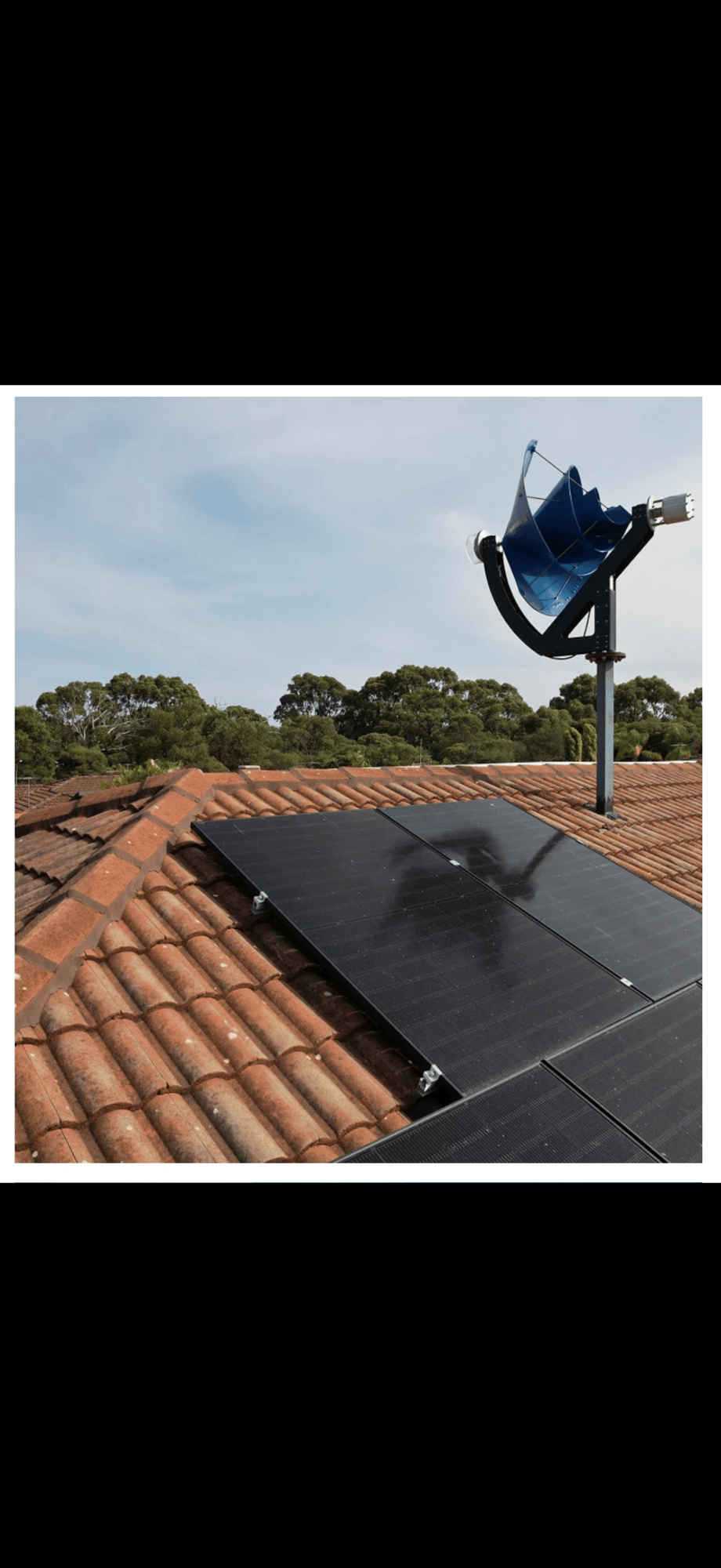
We talk a lot about domestic solar on one side and offshore wind on the other. But the real opportunity sits between them: small wind systems, local solar, battery storage, and place-based energy partnerships that work for farms, business parks, schools, council sites, NHS facilities, and industrial estates.
This matters because the UK does not just need more clean energy. It needs cleaner energy fast that is locally useful, locally owned, and locally delivered.
For too long, policy has favoured the extremes — household-scale solutions on one end, and cheering for the national infrastructure on the other. In doing so, it has overlooked the scale where many communities could actually make progress faster: medium-sized, practical projects that generate power close to where it is used.
That is especially important for energy inequality. People in social housing or rented homes cannot install solar or small wind systems themselves. If we are serious about a fair transition, we need models that go beyond individual ownership and create access through co-location, shared assets, and partnerships between local government, housing providers, and businesses.
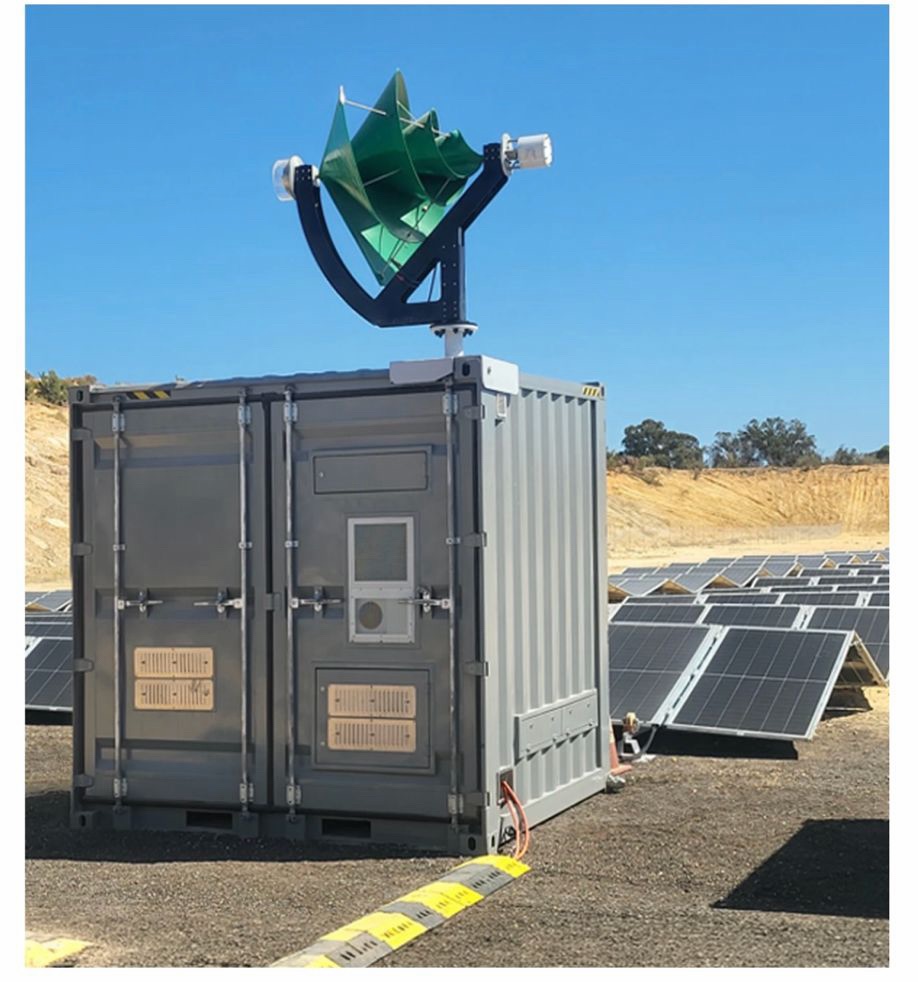
As an example, today’s small wind systems are also a better proposition than many people assume. They are more efficient, quieter, better monitored, and in some cases designed with bird and bat-friendly features and verified output data that make performance more credible.
The policy gap is clear.
The local value is clear.
The commercial and community opportunity is clear.
Now the question is whether we build the frameworks — planning, finance, grid access, and partnership models — to let this scale grow.
Because the missing middle is not a niche. It is where local impact can become national progress.
 Blog
Blog 
Leave a comment